Glenmorangie Distillery Tour Review-Highland-Scotland
※当サイトには広告・アフィリエイトリンクが含まれています。
We took the train from Inverness to a town called Tain, then walked about 30 minutes to Glenmorangie Distillery.
The orange giraffe is a very striking part of the design, and once we went, we understood exactly why!
We don’t have many photos, but here’s a look at our visit.
スポンサーリンク
目次
Features of the Distillery
Founded in 1843, its pot stills were secondhand gin stills — with long necks in a strange, chimney-like shape, which gave it a distinctive flavor.
The stills’ necks are 5.14 meters tall.
Called a pioneer of casks, it was the first to bring wood-finished whiskies with secondary maturation in sherry, port, Madeira, and more to the market.
Committed to bourbon casks, it sources its own casks known as designer casks. They’re procured in Missouri in the USA, dried for two years, and coopered in Kentucky.
It was once bottled as Artisan Cask in 2004, then relaunched as Astar from 2008, and the wood finishes were reworked into the Extra Matured series, which currently includes sherry, port, and Sauternes.
It has 12 pot stills and a production capacity of 6 million liters.
Location / Access
You can get there by bus, but we went by train.
From the train station you have to walk about 30 minutes, which was quite a distance.
The trains run maybe once an hour at best, so we rushed to get back! lol
スポンサーリンク
The Distillery’s Exterior
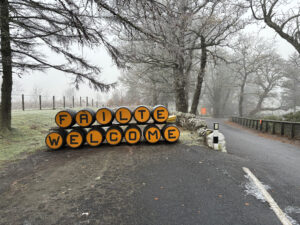
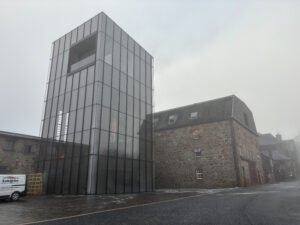
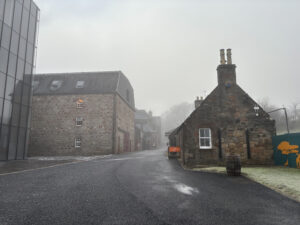

The Tour We Joined
We couldn’t take photos of the tour, but there was a distillery tour with a tasting at the end.
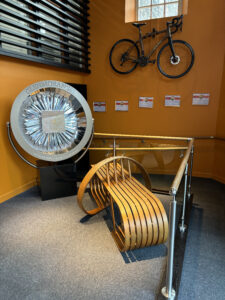
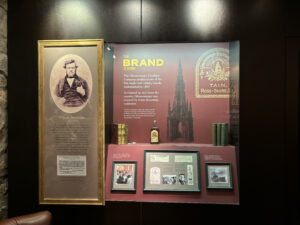
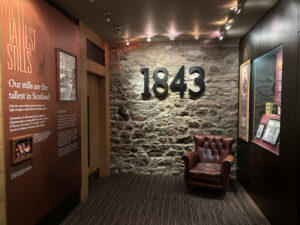

It started from where the museum is, before the tour began, and as it was written there too — I’d thought “morangie” in Glenmorangie sounded like “orange,” and sure enough, it apparently does come from orange.
And the orange giraffe is worked into the design in various places, and the reason turned out to be the stills, long like a giraffe.
They were really powerful and very cool stills.
スポンサーリンク
Shop and Bar
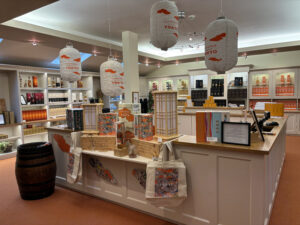

The shop had all kinds of whiskies lined up.
Near the entrance “TOKYO” was written in big letters, which surprised us, but it was a whisky using Mizunara (Japanese oak) casks.
Summary
The guide talked really fast, but you could really feel how they make their whisky with genuine pride.
There were also so many kinds of whisky, and it was clear this is a distillery taking on new challenges every day.
Related reading
50 whisky Distillery Tours list in Scotland we visit – By Region: Speyside, Islay, and More